


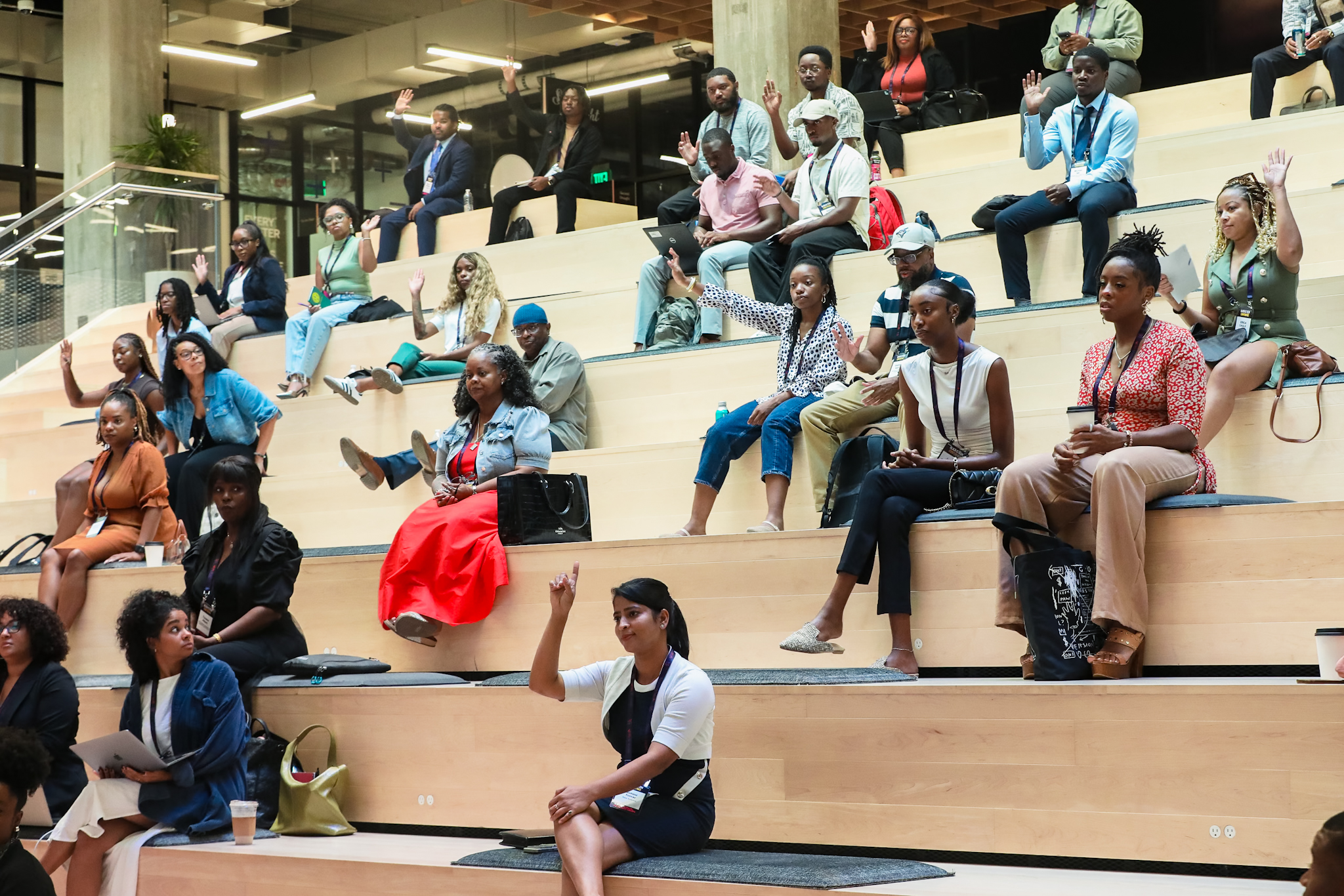
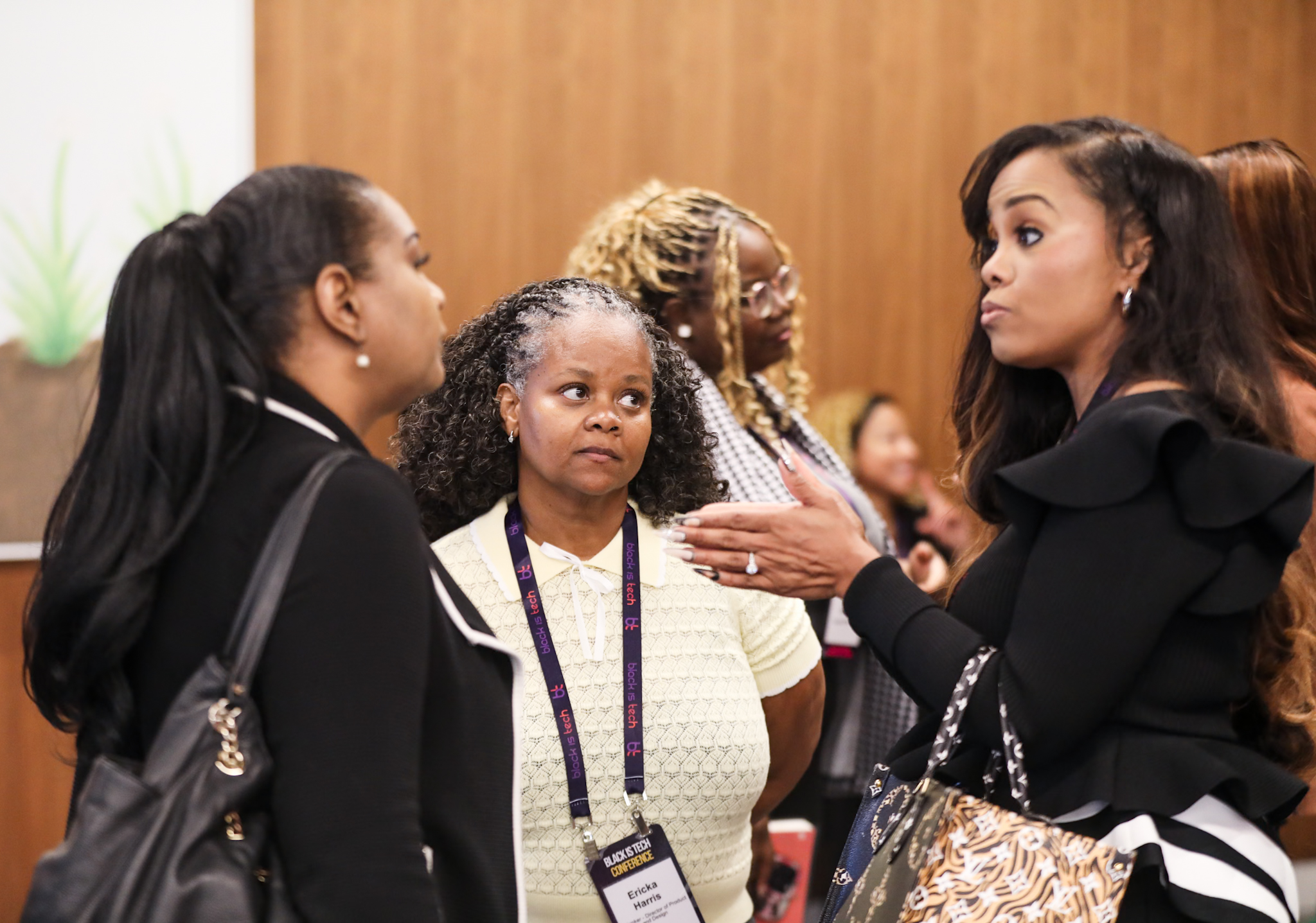
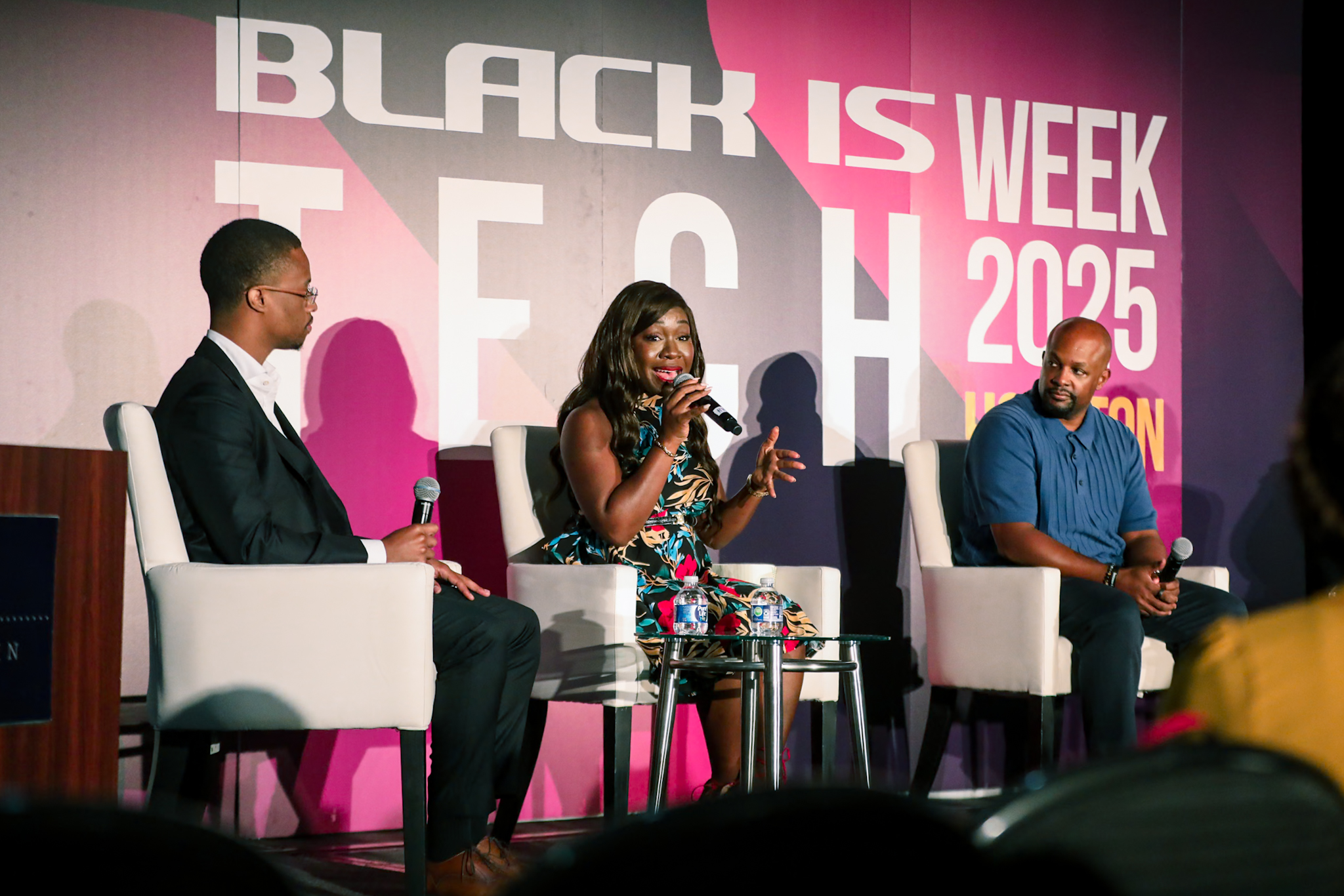
We have top executive & start up here
Meh synth Schlitz, tempor duis single-origin coffee ea next level ethnic fingerstache fanny pack nostrud. Photo booth anim 8-bit hella, PBR 3 wolf moon beard Helvetica. Salvia esse nihil, flexitarian Truffaut synth art party deep v chillwave. Seitan High Life reprehenderit consectetur cupidatat kogi. Et leggings fanny pack, elit bespoke vinyl art party Pitchfork selfies master cleanse

Ridwan Olalere

Nyah Macklin

Azella Perryman
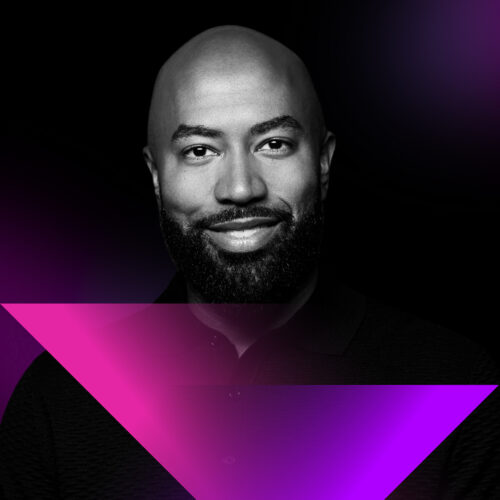
Sean Perryman
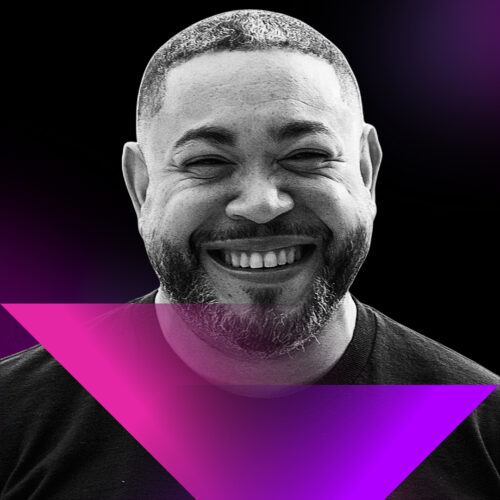
Mark Scott

Dola Adesanya
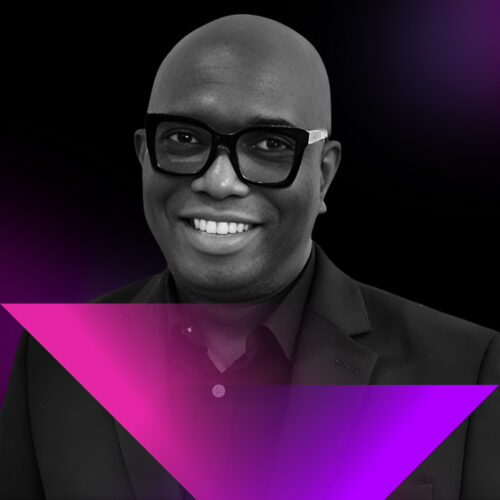
Charles Meruwoma
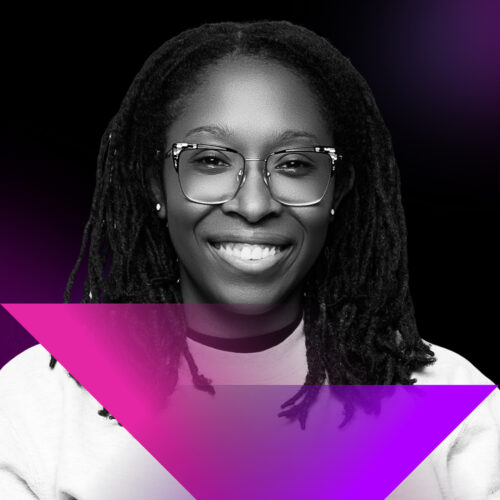
Kameale Terry
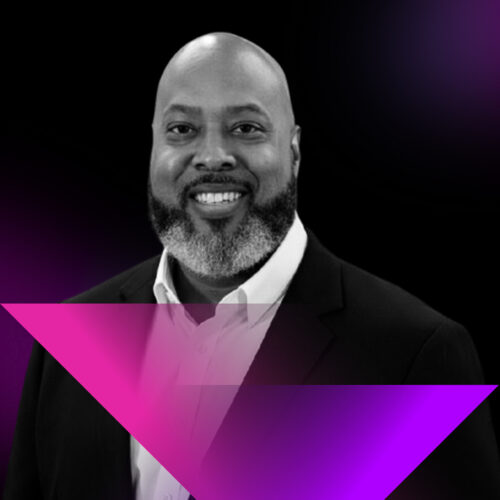
Charles Sherrard
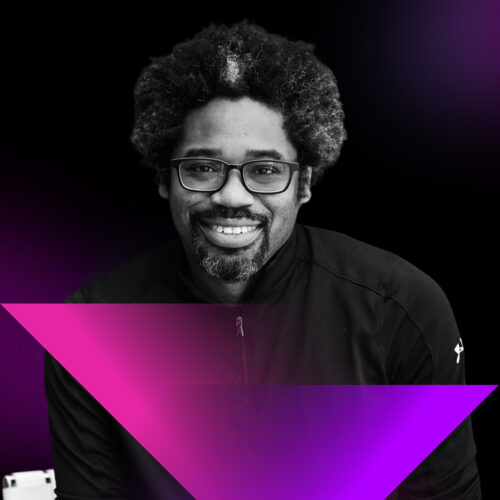
Jason Michael Perry
Admired By The A-List
Even if you’re not a high roller, you can arrive like one. If you’re planning on hitting the tables, Luxor Limo can get you there with sophistication and style. Let the action begin at your front door. With a limo, you can get the excitement started, and the champagne flowing, long before the first roll of the dice.
Conference Schedule
- All Topics
- All Things AI
- Career Development
- Community & Tech
- Engineering
- Networking Events, Happy Hours & Parties
- Product & Project Management
- Startups, Founders & Entrepreneurship
- Workshops
Day 1
April 20, 2026
Day 2
April 21, 2026 13:00 - 14:30
Workshop 3: From Experiment to Production - Building Production-Grade Agentic Systems on AWS (Corporate VIP & All-Access Ticket Only)
By Kayode Sanni-Olodo Sr Consultant @ Amazon Web Services , Charles Meruwoma Senior Solutions Architect @ Amazon Web Services 13:00 - 14:30
Workshop 4: Intelligent Network Security and Trust Management: Advancing Resilience in IoT and Cloud Ecosystems (Corporate VIP & All-Access Ticket Only)
By David Akinsanya Enterprise Security Architect & Cybersecurity Strategist 15:00 - 16:30
Workshop 5: The New Developer Workflow: Effective Claude Code in Modern Software Engineering (Corporate VIP & All-Access Ticket Only)
By Nyaradzo (Naya) Bere AI Educator @ The Black Female Engineer LLC 15:00 - 16:00
Workshop 6: Boardroom-Ready Cloud & AI : A Step-by-Step Executive Communication Framework (Corporate VIP & All-Access Ticket Only)
By Charles Sherrard Delivery Executive @ Google 16:45 - 18:15
Workshop 8: Ship It With Kiro: AI Engineering From Prototype to Production - Powered by AWS (Corporate VIP & All-Access Ticket Only)
By Saurabh “Rob” Dahal Developer Advocate Engineer @ Amazon Web Services
Day 3
April 22, 2026- 11:15 - 12:00
Opening Panel: Building What’s Next: Emerging Tech, Community, and the Path to Winning
By Charles Sherrard Delivery Executive @ Google , Dené Shaeffer Founder & CEO @ NuFuture Academy , Christine Bryant Senior Technical Program Lead @ QTS , Ola Adedoyin Founder @ tlcopilot.ai  13:00 - 13:45
The Agentic Founder - Scaling Startups with the Google Cloud AI Stack : A Case Study
By Chanel Power Founder & CEO @ Mentor Me Collective 14:00 - 14:30
Democratizing Opportunity: Breaking Into Tech in an AI-Driven World
By Jay Scott Founder & CEO @ Tinted Technologies & Sr. Cloud & AI Solutions Engineer @ Microsoft 14:00 - 14:30
Founders Series: Beyond the Pitch. Building Sales that Sticks
By Kameale Terry CEO @ ChargerHelp 14:00 - 14:45
Rethinking React for the RSC (React Server Component) Era
By Bree Hall Sr. Developer Advocate @ Atlassian 14:30 - 15:15
Founders Series: Think Global from Day One - Systems, Infrastructure, and Strategy for Scaling Across Markets (A Fireside Chat with CEO @ Lemfi)
By Ridwan Olalere CEO @ Lemfi 14:45 - 15:30
The Architect’s Audit: Surviving the AI Technical Debt Crisis & the Future of Software Engineering
By Aliyah Gibbs Senior AI Research Engineer & CEO @ Aliyah’s Intelligence 14:45 - 15:30
When Vectors Aren’t Enough: Unlocking AI’s Hidden Connections with Graphs
By Nyah Macklin Senior Developer Advocate, Artificial Intelligence @ neo4j 15:30 - 16:00
Securing the Next Generation of AI: The Role of Zero Trust in AI's Future - Sponsored By Zscaler
By Joel Byam Sr. Sales Engineer @ Zscaler , Jeff Williams Sr. Manager Sales Development @ Zscaler 15:45 - 16:15
Building Ethical AI: Hands-On Approaches for Responsible Model Development
By Dalila Paquiot Data Scientist 15:45 - 16:15
Decoding the Codebase - Developing Technical Fluency for Technical-Adjacent Professionals
By Laurel Eze Product Specialist @ Ramp 16:15 - 17:00
Physical AI - Intelligence in Motion: The convergence of robotics, perception, and decision-making in the physical world
By Terrence Southern Founder & CEO @ Robotopia , Jason Michael Perry Founder & CEO @ PerryLabs 16:30 - 17:10
The 6-Step Builder PM Loop: From Prompt to Product
By Elijah Buford Senior AI Product Manager @ Stanley Black & Decker 17:20 - 17:50
Me, My Agent and I: The evolution of the Human-Agent Workforce
By Dola Adesanya Agentic Transformation Lead @ Google

Day 4
April 23, 2026 11:00 - 11:45
The Infrastructure Shift: Why Data Centers, GPUs, and Physical Infrastructure Are Reshaping Tech and the Opportunities within
By Dr. Lonneishea Meeks Founder @ AI Ignition 11:00 - 11:45
Edge-First AI: Small Language Models and Todays Pocket GPUs - Deploying Practical AI beyond the Cloud
By Keerthi Sreenivas Specialist Solutions Architect - Agentic AI @ Amazon Web Services 11:00 - 11:45
AI Rules: Who’s in Charge?: Navigating Ethics, Regulation, and Innovation
By Warsan Mohamoud Senior Strategist @ Google , Sean Perryman CEO @ Perryman Consulting & Global Head of AI & Fairness Policy @ Uber , J.B Branch AI & Big Tech Policy Counsel, Congress Watch Division @ Public Citizen , Joshua L. Miller, Ph.D Director, Congress Watch (Government Affairs) @ Public Citizen 12:45 - 13:15
The Architecture of a Modern Tech Career: A Playbook for Tech Professionals in a future tech environment
By Dr. Christopher Cross Founder, Principal @ The-Strategy-Lab.com , Dola Adesanya Agentic Transformation Lead @ Google , Randall Norfleet President and CEO @ Polytechnic Consulting Group , Akeeya Umstead Founder @ MGB Foundation/Misstakenid Incorporated , Azella Perryman Director, AI Strategy & Operations @ Prenuvo 13:00 - 13:40
The Agentic Economy: Understanding the shift from human-driven workflows to Machine Logic
By Jaiden Howard AI Engineer @ IBM 13:00 - 13:40
From Meta's Research Labs to Your IDE: How PyTorch Powers AI Coding Tools
By Joseph Sieger Software Engineer @ USAA, Ex - Meta, Snapchat, Intuit- 13:30 - 14:15
Your AI, Your Rules: Deploying Autonomous Private Agents with OpenClaw on AWS - Sponsored by AWS)
By Saurabh “Rob” Dahal Developer Advocate Engineer @ Amazon Web Services  13:50 - 14:30
Human in the Loop: The Superpower of UX in the Age of AI
By Mark Scott Director of UX @ Applied Systems 14:30 - 15:15
From Clinical Systems to Intelligent Care: The Tech Driven Evolution of Healthcare and why you should pay attention
By Banke Balogun Solutions Consultant, Ex- Docusign, Ex- Doximity , Josephine Odusanya Robotics Engineer & Assistive Technology Researcher @ New York University 14:45 - 15:25
What if you Could Talk with your Data: How the Next Wave of Data Interaction Will Transform Productivity and Decision-Making
By Jason Michael Perry Founder & CEO @ PerryLabs 14:45 - 15:25
Governing Agentic AI Sprawl: Tools, Agents, and Decision Boundaries in Enterprise AI
By Vishnu Elangovan WorldWide Agentic AI Solution Architect @ Amazon Web Services 15:30 - 16:00
The Lift-Off: Designing the Future of Aviation
By Adrian Groos CEO @ Nimbus Aerospace , Akim Niyonzima CTO @ Nimbus Aerospace 15:40 - 16:25
The Readiness Gap Explained: What Professionals and Founders Must Know About Funding Black Innovation
By Miesha Robinson CEO, Founder @ The Ready Lab 15:40 - 16:25
Founder Series: The $1M–$5M Dead Zone: Why Your Seed Playbook Is Sabotaging Your Scale
By Amber Washington Founder & CEO @ For the Collective 16:15 - 16:45
Reimagining Financial Institutions: How Emerging Technologies Are Shaping the Future of Money, Access, and Generational Wealth
By Jarrett Albritton Chief Strategy Officer @ Big Stage Energy , Mario Payne CEO & Founder @ TOAMS Financial , Bola Ranson CEO @ Ranson Group , Timothy Lewis Officer, Financial Center Manager @ Bank of America , Carlita Cash Founder & CEO @ Afri+Tech 16:45 - 17:30
Accessibility as Engineering- Research to Reality: Prototyping Assistive Tech that works for everyone
By Josephine Odusanya Robotics Engineer & Assistive Technology Researcher @ New York University 16:45 - 17:15
Optimize Once, Save Forever: Making Cloud Efficiencies Permanent for AI and Beyond with FinOps
By Tremayne Pitters Cloud Engineer & FinOps SME @ Vibrint
Day 5
April 24, 2026
Get Tickets Now!
Early Bird General Admission (40% Discount)
Get Tickets at up to 40% off!- TICKETS ARE NON REFUNDABLE
- Access to General Speaker Stages & Breakouts for Main Conference
- Access to Networking events & Happy Hours
- Access to Partnered events open to all Attendees
- $150
Early Bird Corporate VIP Admission (50% Discount)
Save up to 50% on Tickets. Get your Tickets Today- TICKETS ARE NON REFUNDABLE
- Access to General Speaker Stages & Breakouts for Main Conference
- Access to Networking events & Happy Hours
- Access to Partnered events open to all Attendees
- Access to Technical Workshops
- Access to Learning & Development Classes (Subject to Availability)
- $260
Early Bird All-Access Admission (50% Discount)
Save up to 50% on Tickets. Get your Tickets Today- TICKETS ARE NON REFUNDABLE
- Access to General Speaker Stages & Breakouts for Main Conference
- Access to Networking events & Happy Hours
- Access to Partnered events open to all Attendees
- Access to Technical Workshops
- Access to Lunch on Main Conference Days
- Access to the Blacklist Curated Luxury Dining/Cocktail Experience
- Access to Learning & Development Classes (Subject to Availability)
- $360
Hurry Up!
-

A conference for diversity and inclusion in the tech industry.